The Casa notebook
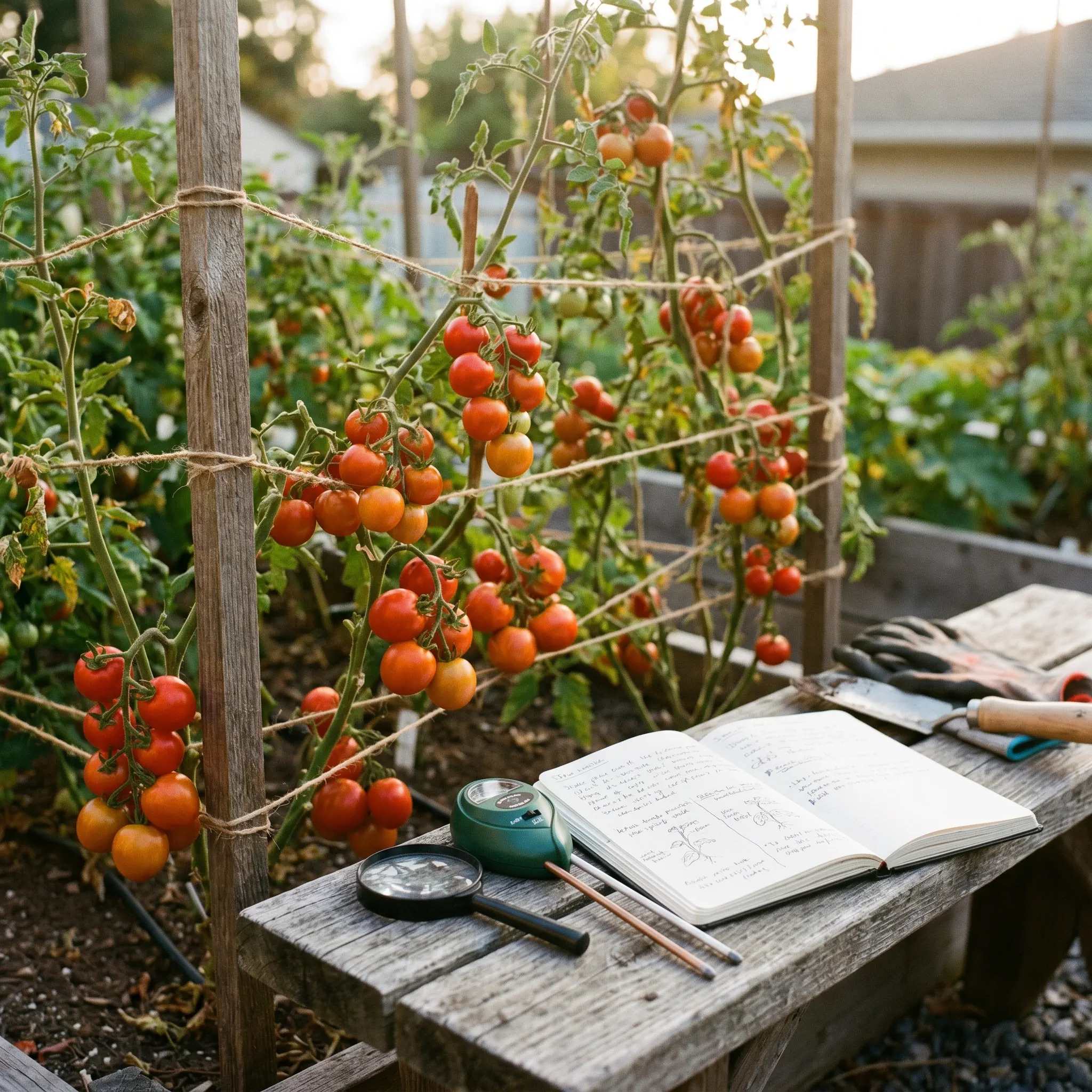
A good tomato note is short, specific, and tied to weather or kitchen outcome. Instead of writing that a variety was good, record whether it cracked after rain, whether the skin resisted a dull knife, how long it held on the counter, and what happened after salting. These details help next season more than a star rating ever will.
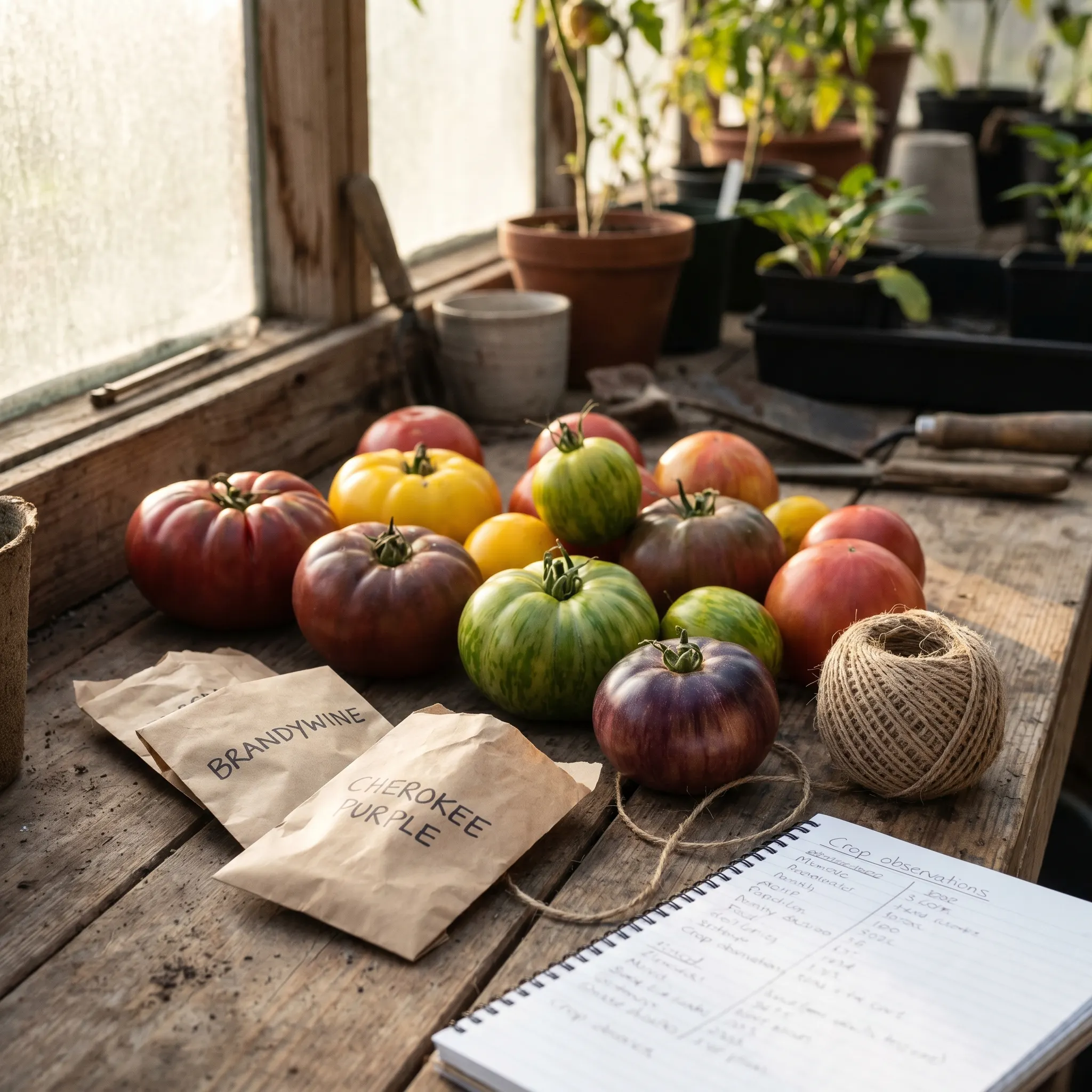
Tomato Casa favors plain field language: shoulder, core, gel, blossom end, skin tension, seed cavity, and cut-face aroma. Once those terms are familiar, shopping becomes faster and cooking becomes more deliberate. You can choose a firm paste tomato for a jar, a fragrant slicer for lunch, and a tart cherry for a pan that needs brightness.
The site also keeps preservation in view. Freezing, drying, roasting, and simmering all reward different fruit. A watery tomato can still be useful if reduced slowly; a dense paste tomato may taste flat raw but become excellent with heat and salt. The point is not to chase one perfect variety. The point is to put each tomato where it behaves best.